Crusade outreach stretches with Web

By: JAMES CURRAN - Staff Writer | Thursday, July 15, 2004 10:10 PM PDT

ANAHEIM ---- It's not enough that about 51,000 people traveled to Angel Stadium of Anaheim on Saturday to hear the Rev. Greg Laurie's appeal for Christianity. According to one of Laurie's associates, a man behind the scenes was essential for that message to reach beyond the stadium and perhaps change lives.

"One person who was watching the Crusade online said 'Tonight, my husband kneeled before the computer and prayed the sinner's prayer,'" said the Rev. John Collins of Harvest Christian Fellowship of Riverside, the host church of the 15th annual Crusades. "(John Carley) gets many responses like that."

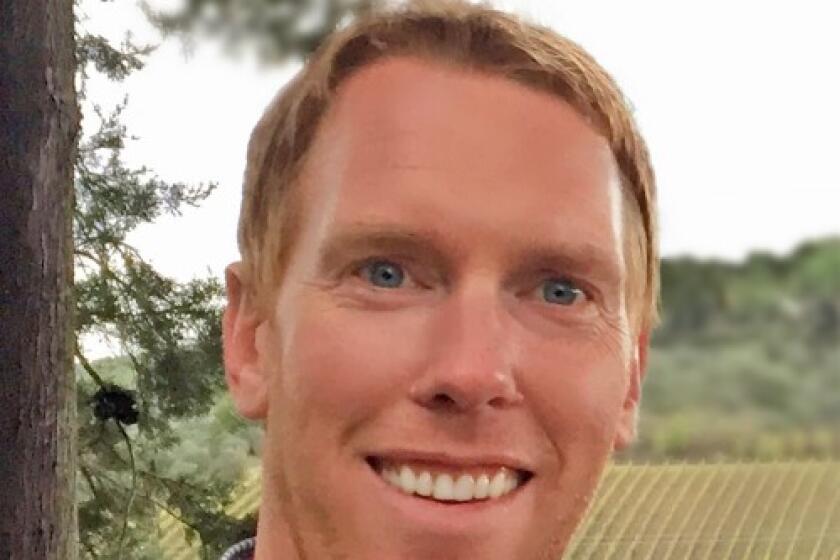
That pledge to become more Christlike could be the latest conversion from a tool Carley, 28, said has been vastly underused by houses of God. Carley, who said he witnessed the work to create the Internet, said churches need to consider how the World Wide Web works for Harvest and apply it to growing their own flocks.

"I think it's had an extraordinary impact (for Harvest)," Carley said. "We've had about 2,000 people a year accept Christ through the Internet. It's also a way to keep people connected ---- to worship along, sing along. The third impact is the support they get from the people who they meet online."

Saturday was arguably among the busiest days of the year for Carley. In addition to running his own company that teaches churches how to use the Internet for outreach, he was behind the scenes at the annual Harvest Crusades at Angel Stadium, broadcasting the event in five languages to about 8,000 computer viewers.

The Crusade is usually a three-day event. This year, it was scaled back to one day to serve as a springboard for another event that was to be held by the Rev. Billy Graham. Graham was injured earlier this year, however, pushing his event back a couple of months.

Carley's setup, on a larger scale than Webcasts of typical services at Harvest's sanctuary in Riverside, took up a major chunk of the press box behind home plate. It also essentially put Carley, an Irvine resident, in the director's chair. From cameras positioned across the stadium, Carley viewed four feeds and selected which ones would be broadcast on the Web. His wife, Anja, assisted. The couple hovered over five computers as they worked.

From there, the images would be fed to a programmer who would split the feed for dial-up modems or DSLs. Translators used their terminals to change the text into Spanish, Korean, Vietnamese and Arabic.

Carley, keeping tabs on his co-workers, was particularly proud of the Arabic translation.

"That, in my mind, is the most exciting language because I want to reach people in the Middle East," he said.

Additional work for Harvest was outsourced from the stadium. Counselors were based back in Riverside on Saturday for viewers to e-mail theological questions or to make commitments to Christ.

Carley reached out to Harvest in the mid-1990s after being attracted to the church through its Crusades. He had attended another church when he was a biomedical engineering and computer sciences student at USC. The university was among the forerunners in the creation of the Web when he attended.

When Carley approached Harvest, Collins said, the church was trying to figure out how to use the Internet to help spread the Gospel.

"I think we realized, here's someone who was very forward-thinking," Collins said. "We were dabbling in it, but we were wondering what to do, where to go."

Carley said the church he had attended while at USC wouldn't have been receptive to his idea.

"I was looking for someone who was interested in being innovative," Carley said. "They weren't right for it. Harvest was."

He said some church leaders still have fears about the Internet.

"I think (the concerns are) about taking a risk ---- spending dollars," he said. "It's maybe being scared of the technology and not having people who know the technology."

Carley said many churches can start up a workable Internet site with Webcasts. The software ranges in price from $2,500 to $50,000. In addition, the church would pay to rent broadcast time on the Internet. He said his company, Trinet Internet Solutions, has helped about 200 houses of faith link to the Internet through sites or Webcasts.

The payoff, he said, should continue to grow as technology enables churches to find different ways to reach believers and the curious.

"We've got a ways to go," Carley said. "Using all forms of multimedia to stimulate the sense and learn about God ---- sound, visual stimulation.

"In some ways, we have to keep up with the Napsters, the chat rooms of the world. Otherwise, you'll say it's more fun to be in a chat room than to read the Bible."

"It was and has been and will continue to be a way of getting the message out," Collins added.

Contact staff writer James Curran at (909) 676-4315, Ext. 2627, or jcurran@californian.com.

Post your Comments[-]Go to Top

First name only. Comments including last names, contact addresses, email addresses or phone numbers will be deleted. All comments are screened before they appear online, so please keep them brief. Comments reflect the views of those commenting and not necessarily those of the North County Times or its staff writers. Click here to view additional comment policies.

Submit Comment[-]

(optional)
   

Advertisement

Videos