Skate parks constrained by unnecessary regulation

By: KORY PRINDLE - Commentary | Thursday, March 8, 2007 9:39 PM PST

ID check, supervision, consent, annual fee, per use fee, helmet, elbow pads, kneepads. A problem exists when facilities designed to promote action sports are more of a burden than a blessing. This burden is the Southern California skate park standard.

YMCA skate parks in San Diego and North County require at least a $20 annual registration plus a fee in the $5 range for each session. Escondido requires the same. Even public parks from Borrego to Coronado require $10 entrance fees or $50-$100 memberships. The protective pads alone (required) will total more than $100.

In my experience, if the damper isn't fees it is inconvenience. Those under 18 require parentally signed paperwork; I could not even sign for my own nephew. For those over 18, at least you can sign your life away without Mom and Dad. And yes, your $100 worth of pads are still required or else the park worker may scold you and make you leave.

I have seen free tennis courts remain empty, unsupervised basketball hoops sit forgotten, and only an occasional swing enthusiast at the playground (helmetless by the way). Recreational interests seem to have shifted for many, yet the facilities used most are hardest to gain access to because, in California, even the most dilapidated skate parks are pay-to-play and sign on your way. Why is this?

Liability and costs.

Liability concerns are the biggest hurdle in skate-park construction and management. This is due to the misconception that injuries are more common in extreme sports. Statistics from the National Safety Council in 1999 show football and soccer injuries are 18.8 injuries per 1,000 participants and 13.3 injuries per 1,000 participants respectively. Skateboarding? 8.6 injuries per 1,000 participants. With this information it would make sense to ask the same of other traditional sports pickup games using public fields. Pad laws in skate parks are made even more unnecessary by the state's "Hazardous Recreational Activities" list, which releases liability in activities such as skateboarding.

After being built, maintenance on constructed parks is minimal, but fees continue to support the park workers that collect fees, sweep up and enforce rules. All of which is expendable with efficient skate-park managing and the care that naturally follows users keeping their spot ridable.

"Use at own risk" signs are adequate protection for the majority of states across the country. They are seeing the bigger force that action sports have become and are accommodating.

Southern California, on the other hand, is dragging behind, still charging an arm and a leg (which you will have to pad at your expense). Decreasing skate-park regulation would mean less skaters getting pushed out into the streets, where they face fines, disgruntled neighbors and traffic. Instead, the California approach is the outlawing of skateboarding in cities and embracing shortcomings of its designated facilities. If California aims to satisfy its citizens and relieve itself of the "nuisance" they see extreme sports as, it is taking steps in an opposite direction.

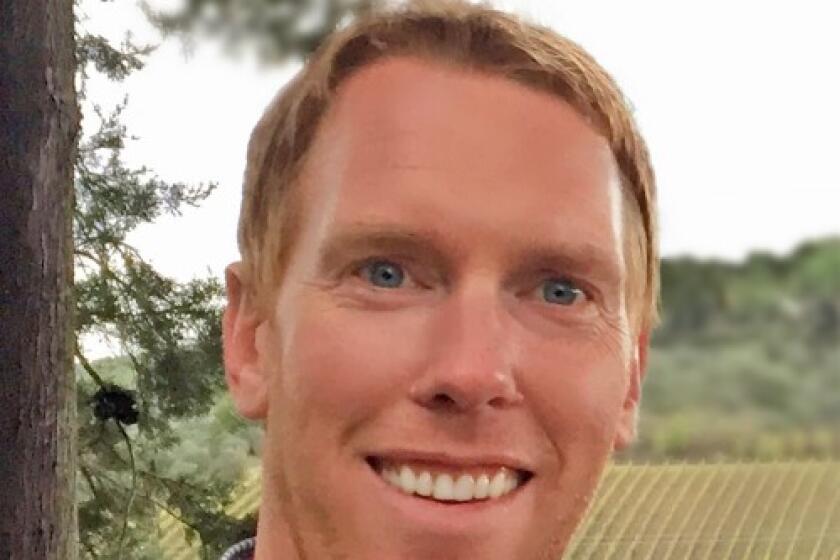
-- La Mesa resident Kory Prindle, a longtime skateboarder, is a recreation and systems management major at San Diego State University and a former San Diego skate-park attendant.

Advertisement

4 comment(s)[-]Go to Top

Alf wrote on Mar 9, 2007 5:53 AM:All it takes is someone, usually a beginner, to get hurt and then - does the term "deep-pockets" ring a bell? I used to work at a station in Point Loma, the owner also owned a strip-mall. Some woman dropped her ice cream on her way into a store, she came out 5 minutes later, slipped on THE ICE CREAM THAT SHE DROPPED and sued because HER ICE CREAM had not been cleaned up in the 5 minutes that she was in the store. She won damages. You are damned right about liability being a reason for fees, you are wrong in thinking that lawsuits and the fear of them should be just ignored. All it takes is one big suit and the facility may be closed for good. Think on that.

Bob wrote on Mar 9, 2007 10:20 AM:It is interesting, then, that skate parks in Washington, Oregon, Idaho and Montanna don't seem to have such liability issues. Skate at your own risk works just fine.

Will wrote on Mar 9, 2007 12:59 PM:There is a big difference between an falling in a store and falling in a skatepark. Action sports have a general release in liability because they are hazardous activities, lawsuits over skatepark falls wont fly. Bob is correct. Skate at own risk signs are the only coverage needed in other states. California parks are plagued by unnessary legal tangles

Alf wrote on Mar 9, 2007 1:36 PM:If I had a penny for every lawsuit that was filed AFTER reading signs AND signing waivers, I could buy 10 houses in Beverly Hills. Not that much, but in reality signs and signing means nothing, no matter how many pages it is.

First name only. Comments including last names, contact addresses, e-mail addresses or phone numbers will be deleted. Attempts to misrepresent your identity or impersonate any person will not be approved. All comments are screened before they appear online, so please keep them brief. Comments reflect the views of those commenting and not necessarily those of the North County Times or its staff writers. Click here to view additional comment policies.

Submit Comment[-]

(optional)
   

Advertisement

Videos