It seems to be strange to be thinking about a housing shortage at this time. The economy is in a very precarious situation, the market is flooded with foreclosures and empty, single-family detached homes while prices continue to drop. That is right for early 2009; but let's takes a look into the future.
The value of real estate has always gone through up and down cycles in California, but in the long run has always been increasing. Eventually the economic situation will stabilize and banks will start to provide loans and people will begin to buy houses again. When that occurs, the availability of single-family homes in North County will decrease dramatically and it will happen quickly. Why? Here are six reasons:
- Location: San Diego County, especially North County, is an extremely desirable place to live. Many of us believe it is the best place to live in Southern California. As some people say, it is like an island south of Southern California. Camp Pendleton separates San Diego from the crowds of Los Angeles and Orange County, the desert from the rest of the county, with Mexico and the Pacific Ocean on the south and west.
- Population: Unlike the recession of the 1990s, there has not been a large-scale relocation of people from San Diego. The economy is bad everywhere. People are still living here and their children are getting older and will be looking for homes.
- Inventory: Even though there appears to be lot of foreclosures, experts estimate that once the market picks up there is only about a six-month housing inventory of available homes and very few homes are being constructed at this time.
- Land: We have seen the end of the large-scale, master-planned communities such as San Elijo Ranch, Bressi Ranch, La Costa or the 4S Ranch. There are no more large blocks of vacant land left in the North County area. A few portions of the existing master plans remain to be built out, but after that there will not be any more large-scale, master-planned communities.
Most of the vacant land that does exist in North County has been set aside as permanent open space as a part of Multi-Species Habitat Conservation Plan. There will be future development, but not at the scale we have seen in the past. A 100-unit subdivision or multi-family infill project will be considered large-scale developments in the future. Because of the lack of vacant, developable land and new statewide planning laws that will put pressure on cities to locate development close to existing transportation corridors and rail stops, a substantial portion of the future development will consist of attached multi-family projects.
- Delays: It takes a long time to get permission to build a house in San Diego County. Often, people's first reaction when they see bulldozers on a hillside is, "When did that get approved?" They do not realize that even for a simple project it takes anywhere from two to four years from the start of the process until a developer can actually start to grade a site or construct a home. The city or county review process for development permits is very complex and time consuming and varies depending on which jurisdiction a developer is working in.
If a project is in the coastal zone, has environmental constraints or its development is opposed by adjacent neighbors, the processing times can be far longer. Any of the few remaining builders in San Diego County can easily say that almost all of the easy sites in North County have already been developed.
- Finances: Because of the current economic situation, very few builders are processing plans through the county or cities at this time. It takes anywhere from several hundred thousand dollars to up to a million dollars to develop plans, process development applications and get city or county approval for a 100-home subdivision. After that, a much larger financial commitment has to be made to prepare and process the detailed grading and building plans. Then the site has to be graded and the homes built before there is any financial return on this investment.
The future
What does this mean? In the short term the prices for single-family homes may continue to decrease before there is a recovery. However, eventually the economic situation will stabilize and there will be a demand for homes. Once this occurs, the available inventory of single-family detached homes will be quickly purchased.
When developers see the economy starting to pick up there will be a scramble to get homes built, but as shown above there is not a lot of land available for single-family detached homes and it takes at least two to four years to get a project from the concept stage to occupancy.
Based on the law of supply and demand, the lack of available single-family homes in 2011-12 will likely drive the prices of these homes up dramatically. Whether the value will go up as quickly as it has in the past remains to be seen, but the prices will go up substantially.
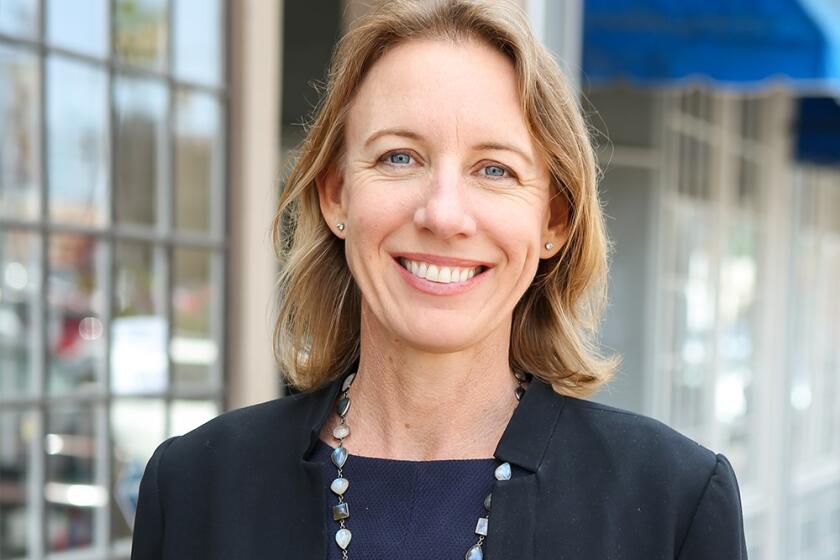
Mike Howes is a principal at Howes, Weiler and Associates, a company with 50 years of experience in the planning and processing of a wide variety of residential and non-residential projects in San Diego, Riverside and Imperial counties.