John Mallinger isn't a burst-onto-the-scene kind of guy. The Escondido High grad wasn't a standout golfer in college, and when it came to turning pro, he built his resume by grinding it out on the mini-tours.
But since earning his PGA Tour card in December 2006 by advancing through qualifying school, Mallinger has proven to have staying power. With seven top-three finishes over the last three seasons, including a playoff loss in the U.S. Bank Championship in Milwaukee back in July, it seems only a matter of time before the 30-year-old makes his way to the winner's circle.
Earlier this week, we caught up to Mallinger to discuss his journey so far, a look ahead to the 2010 season and what belongs under Tiger Woods' Christmas tree.
Q: You're a player who likes to play several weeks in a row, but you took a month off after the FedEx Cup. What did that feel like?
A: I almost felt like it was my winter break. It was good, but it was a little too much time for me. Three weeks is probably good for me. I know what my schedule is like next year, so I'm going to try and space it out a little bit more.
Q: The PGA Tour season is a long one. But how important is it for golfers to get off to a good start?
A: Being from the West Coast, it's nice for me because even though I'm playing four or five events in a row, it doesn't feel like that. It's an advantage because playing early on the West Coast allows me to pick the Florida tournaments I want.
Q: You have earned more than $1 million in each of your three seasons on tour. Being comfortable financially, how does that affect your game?
A: It's obviously nice, but it hasn't changed who I am. Now, I can just go play golf and not really worry about the results and the money and just trying to pay bills. That takes a huge burden off my shoulders. Now, it's just a matter of how much better I can get.
Q: Now that you're on tour, what do you have to do to stay there?
A: It's a long season. The good thing about the PGA Tour is that sometimes all you need is one good week, and that one week can turn into six good weeks in a row. A lot of it has to do with confidence and what you're thinking. That's the biggest thing for me. If I'm thinking right, I'm rested and prepared, I'm going to play well.
Q: Everyone on tour is good. What separates the upper echelon from the player who's fighting to keep his tour card?
A: A good majority of it is mental. A lot of guys out there just haven't found their comfort level. They're worried about the results or worried about other players beating them instead of worrying about how they're going to get themselves better. That's one thing I've done really well. I've stuck to my game and stuck to my strengths and then just worked on my weaknesses in the offseason.
Q: So what does it take to win on tour?
A: I wish I knew. It's hard, but I've had a playoff loss, seven (third-place finishes) and at least three times I came within one shot of winning. Maybe one week it's a luck shot or a good break. You just have to keep putting yourself in that position and eventually it's going to happen. Just because you haven't won early in your career doesn't mean you can't win 20 times in your career. The prime of the PGA Tour is 33 (years old), and I'm 30.
Q: What are you most proud of so far in your career?
A: There was doubt about me keeping my card. I wasn't a college standout. I was a good player, but not a superstar. I got on the mini-tours and I built my whole game. I basically started from ground zero. It took me 6-7 years, and there was a lot of work put into that. I'm most proud of how I got here and that I've been able to stick around.
Q: What's the most enjoyable part of being a PGA Tour pro?
A: We get to show off our skills in front of millions of people. We have a huge amount of perks. Last week, I played golf with Marshall Faulk. That's something that not many people get a chance to do. When someone comes up to you and asks for an autograph, that means you've done something they recognize, and that comes back to all the work that you've done.
Q: Is there anything you don't like about tour life?
A: I haven't really found anything yet. I want to try and keep it that way for a while. I love it. And I thrive more on the competition actually more than playing golf.
Q: You don't mind the constant traveling?
A: It's nice being home, but we're playing for $1 million a week. If you ask anyone if they would go to Orlando for a week to try and make $1 million, what do you think they're going to say?
Q: So what do you do to pass the time on the road?
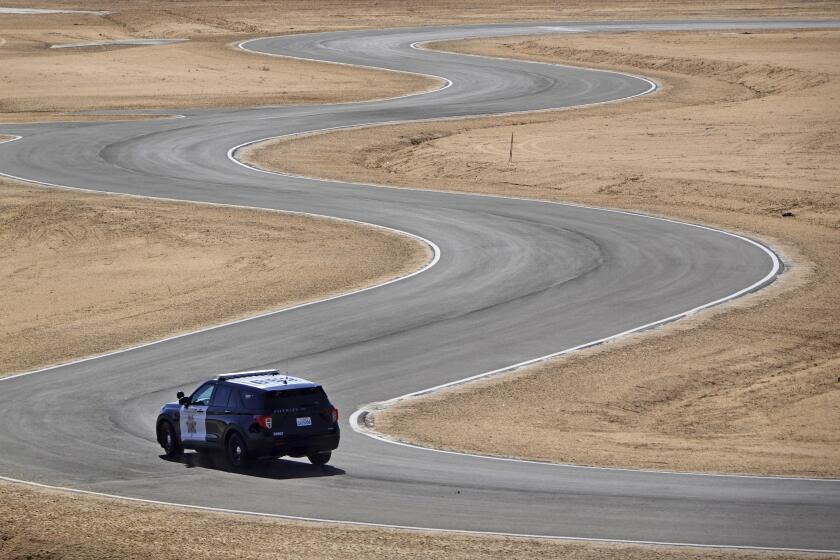
A: There's always something to do. At the BMW Championship, me, Camilo (Villegas), Pat Perez, Ian Poulter and (Charley) Hoffman all went to a track and got to race BMWs. Stuff like that is really fun.
Q: Do you have a specific routine that you follow before a round?
A: I always get to the golf course two hours before. I'll eat, then I'll stretch for 40 minutes. Then I'll go meet my caddie. I putt for 10 minutes, then I go hit, then I chip, then I putt, then I go. Same routine every day. It helps a lot, especially when you're playing well. It keeps your mind away from (distractions).
Q: Ever been thrown off your routine?
A: I showed up in Dallas last year one hour late. I didn't realize it. My brain was just off. I finished eating and then I realized I was on the tee in 20 minutes. But I shot 67 so who knows.
Q: There's a big focus on statistics these days. What's the most overrated stat out there?
A: Driving distance. Total driving is what matters, because that's (combining) getting the ball in the fairway and length. Honestly, I think almost every stat is overrated because everything is relevant to something else. If your iron play is down, hopefully your putting is up. If they're both down, you're probably not playing well. It's your score that matters.
Q: You are competing in the Tiger Woods era. Will there ever be a better player?
A: No. He's 33 years old and he's won 71 times (on tour). He pretty much wins 50 percent of the time. He's playing against the best players in the world and he's dominating. There's no one who compares in work ethic or mental strength.
Q: How much has he impacted your profession?
A: He's done so much for our sport it's ridiculous. We all should be sending him bottles of wine every Christmas.
John Mallinger at a glance
Age: 30
Hometown: Escondido
College: Long Beach State
World Ranking: 99
2009 tour earnings: $1.7 million
Major you most want to win: Masters
Who's in your dream foursome? My dad, my brother and Fred Couples
Most underrated player on tour: Sean O'Hair
Occupation if you weren't a pro golfer: I don't want to think about it.
Do you read golf books? No
Favorite TV show: Entourage
Black jack or poker: Black jack
Twitter or Facebook: Neither
iPhone or Blackberry: iPhone
Most used iPhone application: Weather Channel